
SOURCE
TIME
LOCATION
DIRECTOR
LIONSGATE
06.08.2018
LONDON, UK
IAN BONHÔTE
MCQUEEN (2018)
A documentary portrait of Lee Alexander McQueen directed by Ian Bonhôte and Peter Ettedgui tracing his life and legacy through archival footage and interviews.





SUBSCRIBE TO WATCH
"A meticulous portrait of fashion’s master of audacity"
— Peter Bradshaw (The Guardian)
McQueen is a 2018 British documentary directed by Ian Bonhôte and co-directed/written by Peter Ettedgui, produced by Misfits Entertainment and Salon Pictures, with an original score by Michael Nyman. The film premiered at the Tribeca Film Festival on April 22, 2018, and was released in U.S. theaters on July 20, 2018. Structured through a combination of runway footage, recovered personal archives, home video, press material, and interviews, it reconstructs the life and work of Lee Alexander McQueen not as a distant legend, but as a designer whose practice was inseparable from autobiography, class, grief, ambition, and performance.
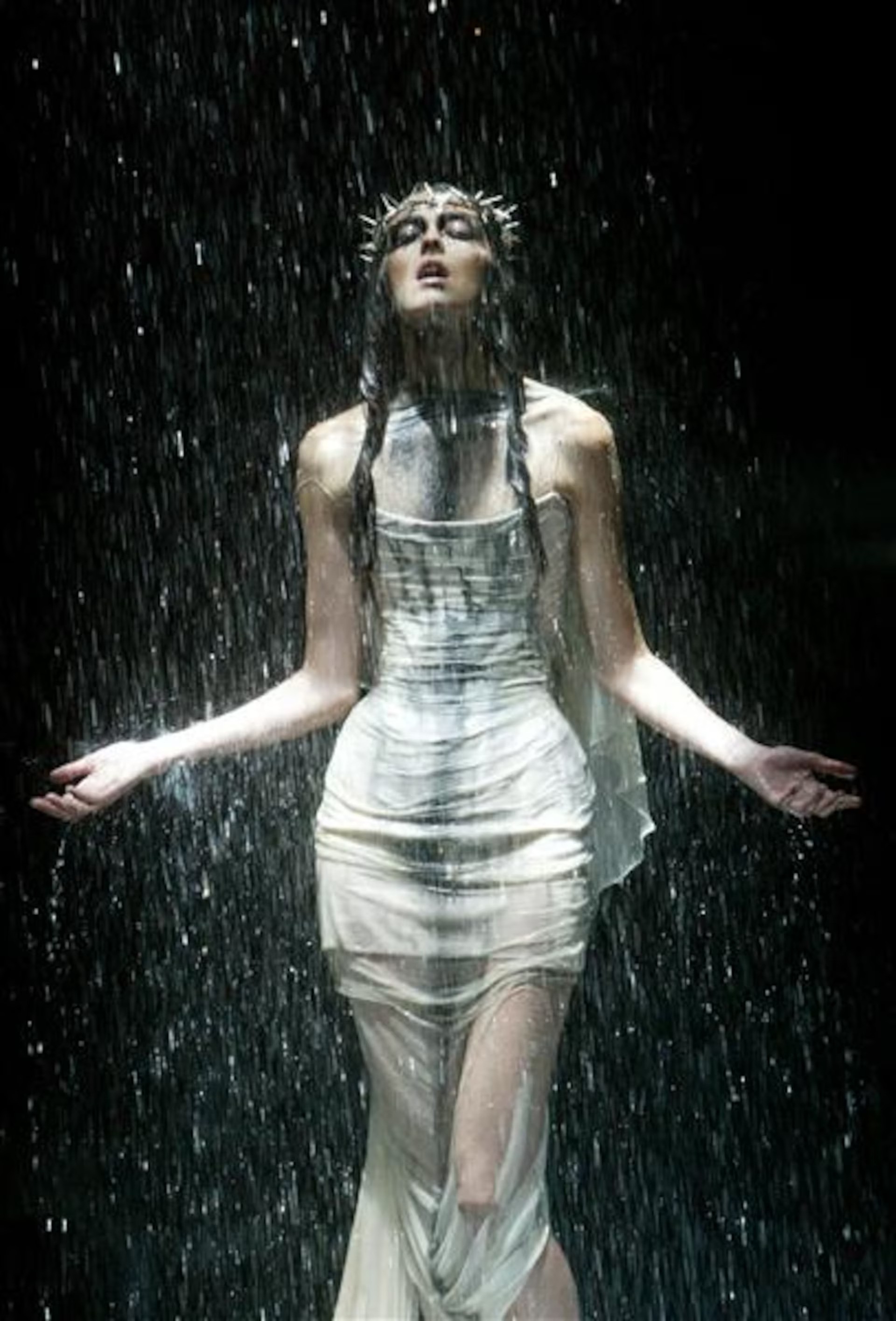
Rather than treating fashion as background, the documentary places McQueen’s collections at the center of its narrative. His career is traced from his East London upbringing and Savile Row training through his MA graduate collection Jack the Ripper Stalks His Victims at Central Saint Martins in 1992, his rapid emergence in London, his years at Givenchy, and the increasingly elaborate, psychologically charged runway spectacles that defined his own house. In this structure, collections such as Highland Rape, No. 13, VOSS, and Plato’s Atlantis operate not simply as milestones in fashion history, but as emotional and biographical chapters in Lee’s life. Bonhôte described the project as “a really respectful cinematic version of Lee’s story,” while Ettedgui explained that they wanted to avoid a television-style treatment and make something immersive enough for the cinema.
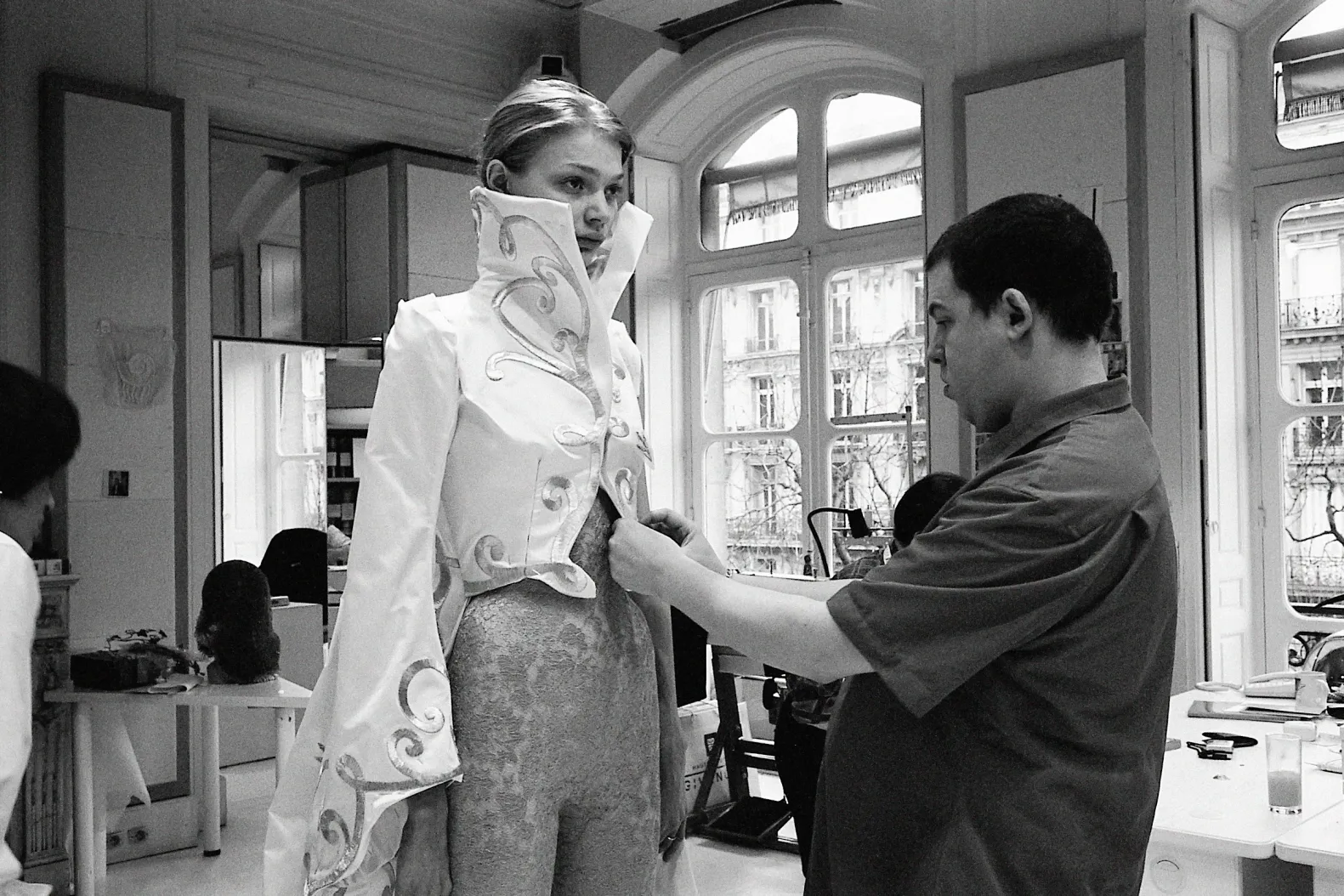
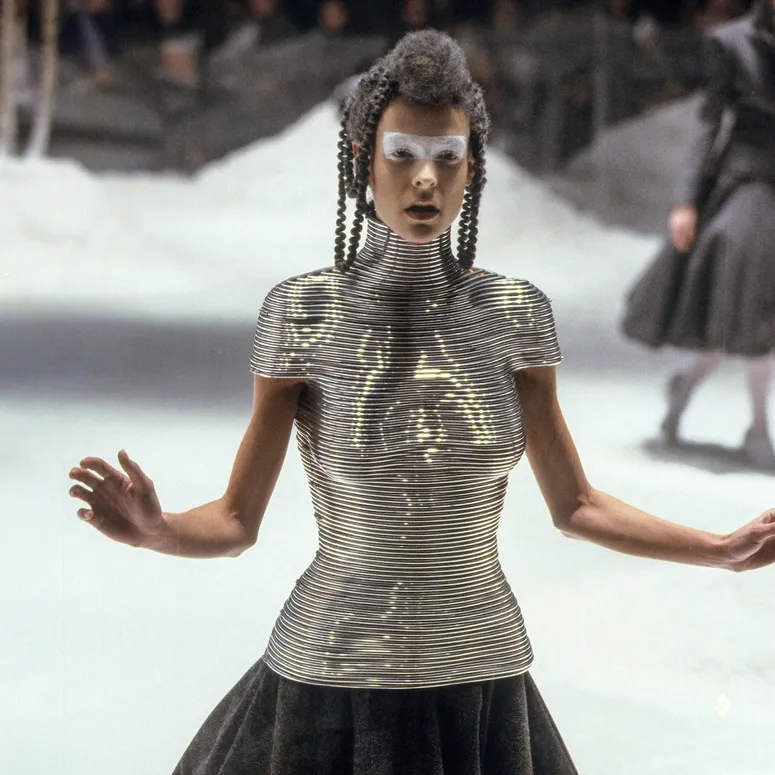
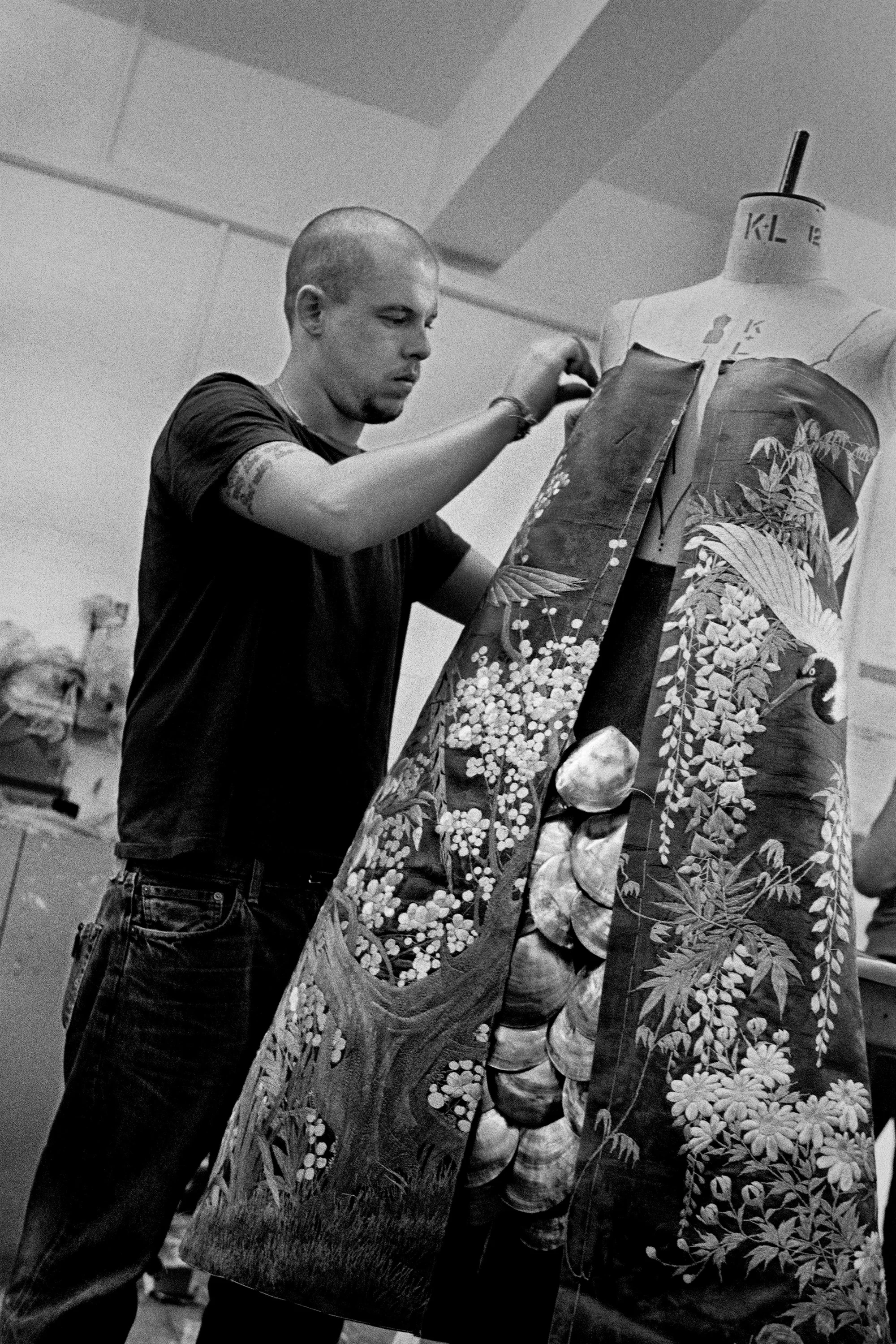
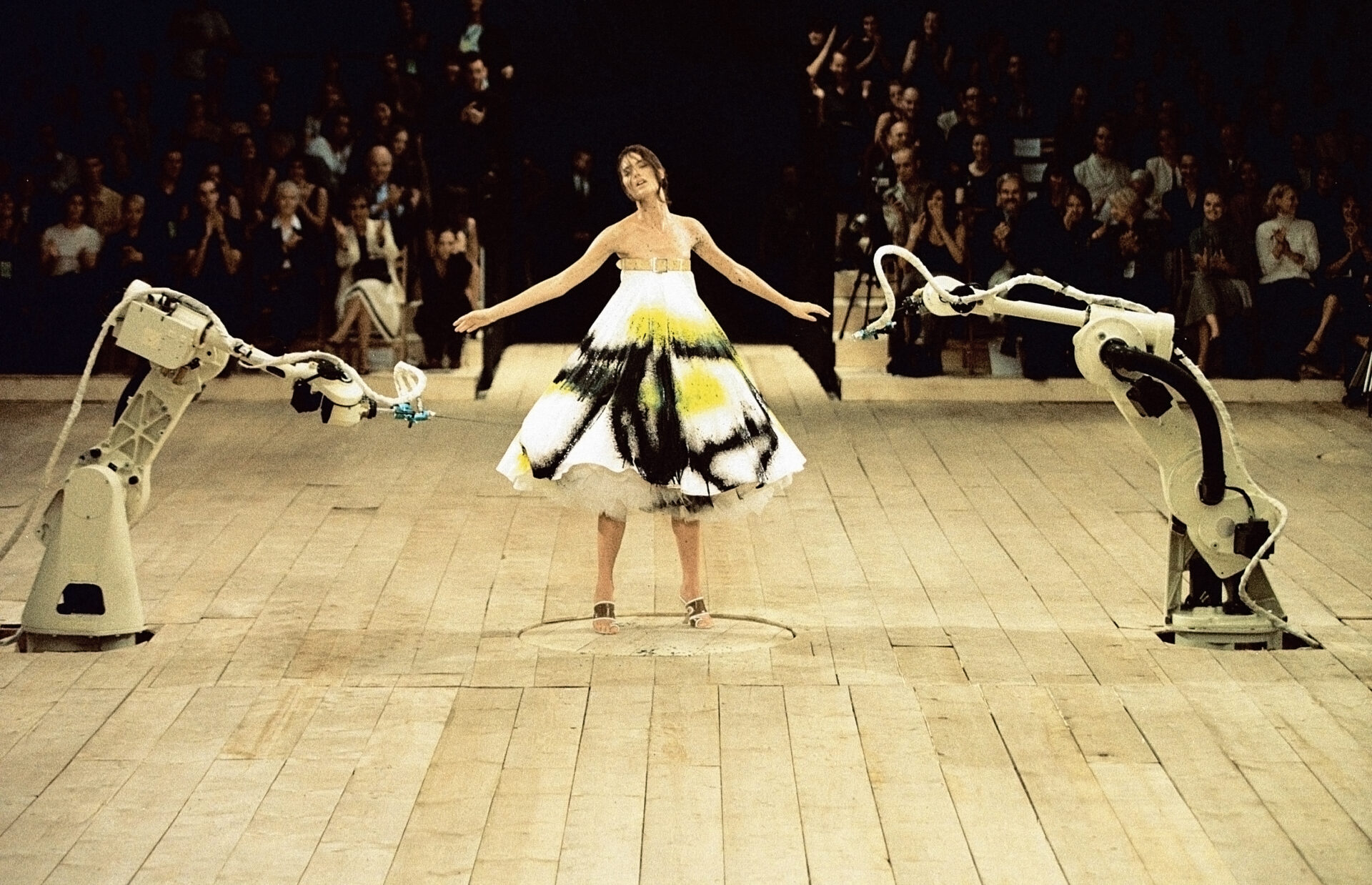
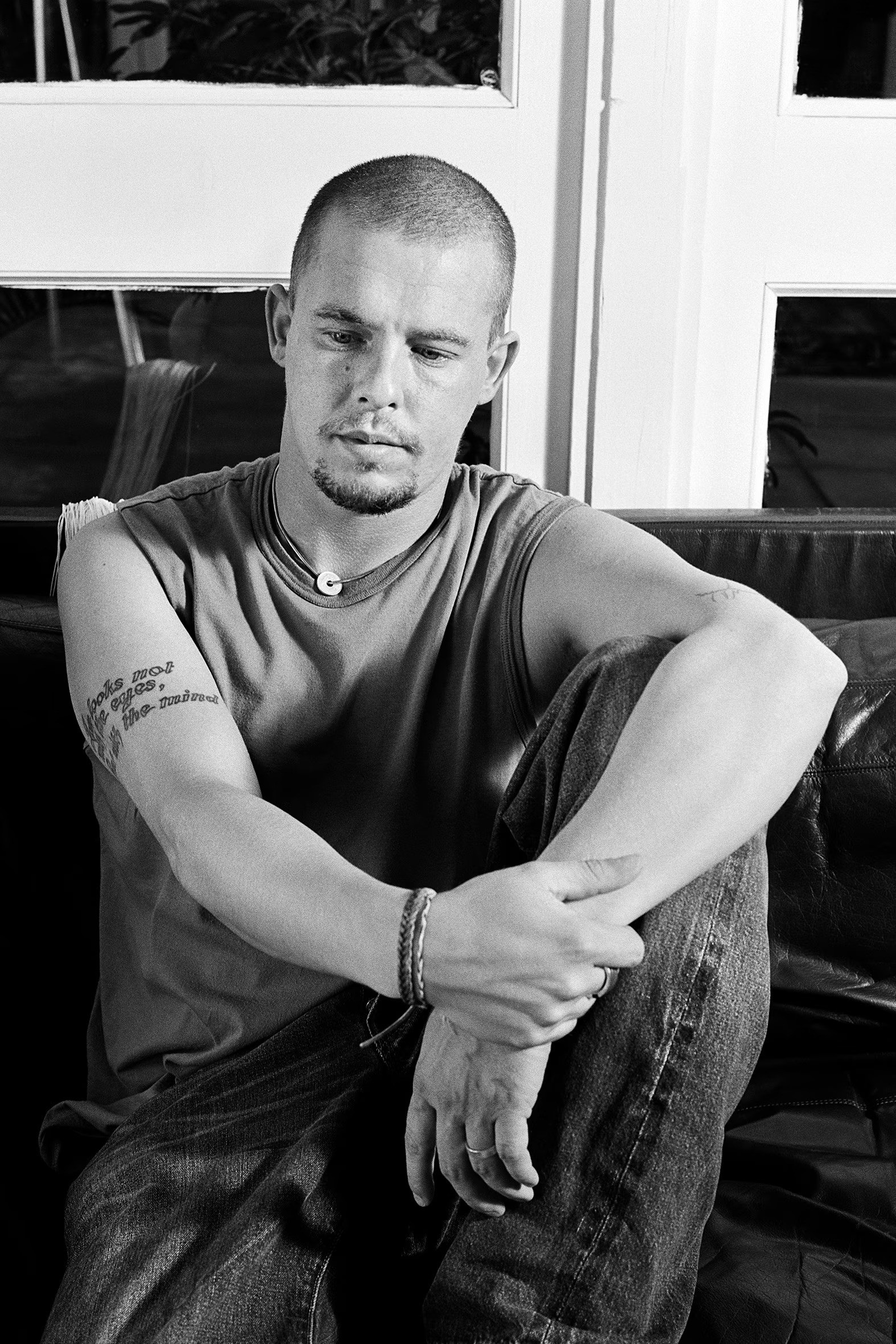
The film is built around testimony from those who knew him most closely. Its featured voices include members of McQueen’s family and inner circle, among them Joyce McQueen, Janet McQueen, Gary James McQueen, John Hitchcock, Danny Hall, Sebastian Pons, and Detmar Blow. That testimonial structure is crucial: the documentary resists flattening McQueen into either myth or market case study, instead presenting him through the people who witnessed the discipline, vulnerability, humor, volatility, and intensity behind the work. Bonhôte and Ettedgui assembled the film from a large body of archival material gathered across roughly 200 sources, allowing McQueen himself to remain present through recordings, interviews, and backstage footage rather than only through retrospective commentary.
Its release came at a moment when McQueen had already entered institutional canon. By 2018, his legacy had been solidified not only through fashion history but through museum culture, especially in the wake of Alexander McQueen: Savage Beauty, first shown at The Metropolitan Museum of Art in 2011 and later at the Victoria and Albert Museum in 2015, where the exhibition became the museum’s most visited exhibition, with more than 493,000 tickets sold. In that context, McQueen arrived not to establish his importance, but to return scale and intimacy to a figure whose public afterlife had already become monumental.
The documentary was widely recognized on release. It received BAFTA nominations for Outstanding British Film and Documentary in 2019, and was also nominated at the British Independent Film Awards. It later won LGBTQ Documentary of the Year at GALECA’s Dorian Awards. Critically, it was received as more than a specialist fashion documentary, positioned instead as a major documentary portrait of a late-20th- and early-21st-century cultural figure whose work transformed the relationship between fashion, spectacle, and authorship.
What the film preserves most powerfully is the contradiction at the center of Lee Alexander McQueen himself: a designer formed by tailoring discipline and working-class London, yet driven toward fantasy, rupture, theatricality, and emotional extremity. It locates his practice in that unstable space between precision and collapse, where garments, shows, and images became vehicles for memory, aggression, mourning, desire, and self-invention. Seen now, McQueen functions not only as biography, but as an archive in its own right: a screen document of how one of fashion’s most consequential figures turned the runway into a site of narrative, conflict, and cultural myth.

SOURCE
TIME
LOCATION
DIRECTOR
LIONSGATE
06.08.2018
LONDON, UK
IAN BONHÔTE
MCQUEEN (2018)
A documentary portrait of Lee Alexander McQueen directed by Ian Bonhôte and Peter Ettedgui tracing his life and legacy through archival footage and interviews.
SUBSCRIBE TO WATCH
"A meticulous portrait of fashion’s master of audacity"
— Peter Bradshaw (The Guardian)
McQueen is a 2018 British documentary directed by Ian Bonhôte and co-directed/written by Peter Ettedgui, produced by Misfits Entertainment and Salon Pictures, with an original score by Michael Nyman. The film premiered at the Tribeca Film Festival on April 22, 2018, and was released in U.S. theaters on July 20, 2018. Structured through a combination of runway footage, recovered personal archives, home video, press material, and interviews, it reconstructs the life and work of Lee Alexander McQueen not as a distant legend, but as a designer whose practice was inseparable from autobiography, class, grief, ambition, and performance.
Rather than treating fashion as background, the documentary places McQueen’s collections at the center of its narrative. His career is traced from his East London upbringing and Savile Row training through his MA graduate collection Jack the Ripper Stalks His Victims at Central Saint Martins in 1992, his rapid emergence in London, his years at Givenchy, and the increasingly elaborate, psychologically charged runway spectacles that defined his own house. In this structure, collections such as Highland Rape, No. 13, VOSS, and Plato’s Atlantis operate not simply as milestones in fashion history, but as emotional and biographical chapters in Lee’s life. Bonhôte described the project as “a really respectful cinematic version of Lee’s story,” while Ettedgui explained that they wanted to avoid a television-style treatment and make something immersive enough for the cinema.
The film is built around testimony from those who knew him most closely. Its featured voices include members of McQueen’s family and inner circle, among them Joyce McQueen, Janet McQueen, Gary James McQueen, John Hitchcock, Danny Hall, Sebastian Pons, and Detmar Blow. That testimonial structure is crucial: the documentary resists flattening McQueen into either myth or market case study, instead presenting him through the people who witnessed the discipline, vulnerability, humor, volatility, and intensity behind the work. Bonhôte and Ettedgui assembled the film from a large body of archival material gathered across roughly 200 sources, allowing McQueen himself to remain present through recordings, interviews, and backstage footage rather than only through retrospective commentary.
Its release came at a moment when McQueen had already entered institutional canon. By 2018, his legacy had been solidified not only through fashion history but through museum culture, especially in the wake of Alexander McQueen: Savage Beauty, first shown at The Metropolitan Museum of Art in 2011 and later at the Victoria and Albert Museum in 2015, where the exhibition became the museum’s most visited exhibition, with more than 493,000 tickets sold. In that context, McQueen arrived not to establish his importance, but to return scale and intimacy to a figure whose public afterlife had already become monumental.
The documentary was widely recognized on release. It received BAFTA nominations for Outstanding British Film and Documentary in 2019, and was also nominated at the British Independent Film Awards. It later won LGBTQ Documentary of the Year at GALECA’s Dorian Awards. Critically, it was received as more than a specialist fashion documentary, positioned instead as a major documentary portrait of a late-20th- and early-21st-century cultural figure whose work transformed the relationship between fashion, spectacle, and authorship.
What the film preserves most powerfully is the contradiction at the center of Lee Alexander McQueen himself: a designer formed by tailoring discipline and working-class London, yet driven toward fantasy, rupture, theatricality, and emotional extremity. It locates his practice in that unstable space between precision and collapse, where garments, shows, and images became vehicles for memory, aggression, mourning, desire, and self-invention. Seen now, McQueen functions not only as biography, but as an archive in its own right: a screen document of how one of fashion’s most consequential figures turned the runway into a site of narrative, conflict, and cultural myth.